Every phone ad mentions it. Telecom companies spend fortunes on it. But if someone asked you what 5G actually is — and whether you need it — could you answer? Most people can't, and that's fine. This guide explains 5G in plain terms, what it means for your phone, and whether it actually matters to you.
The honest headline: 5G is a real improvement, but for most everyday users, the difference is less dramatic than the advertising suggests. Here's what you actually need to know.
What we'll cover
What 5G is (and what the "G" means) Is it really faster? Do you need a 5G phone? The reality vs. the hypeWhat 5G is (and what the "G" means)
The "G" in 5G stands for generation. It's the fifth generation of mobile network technology. Each generation brought a big leap:
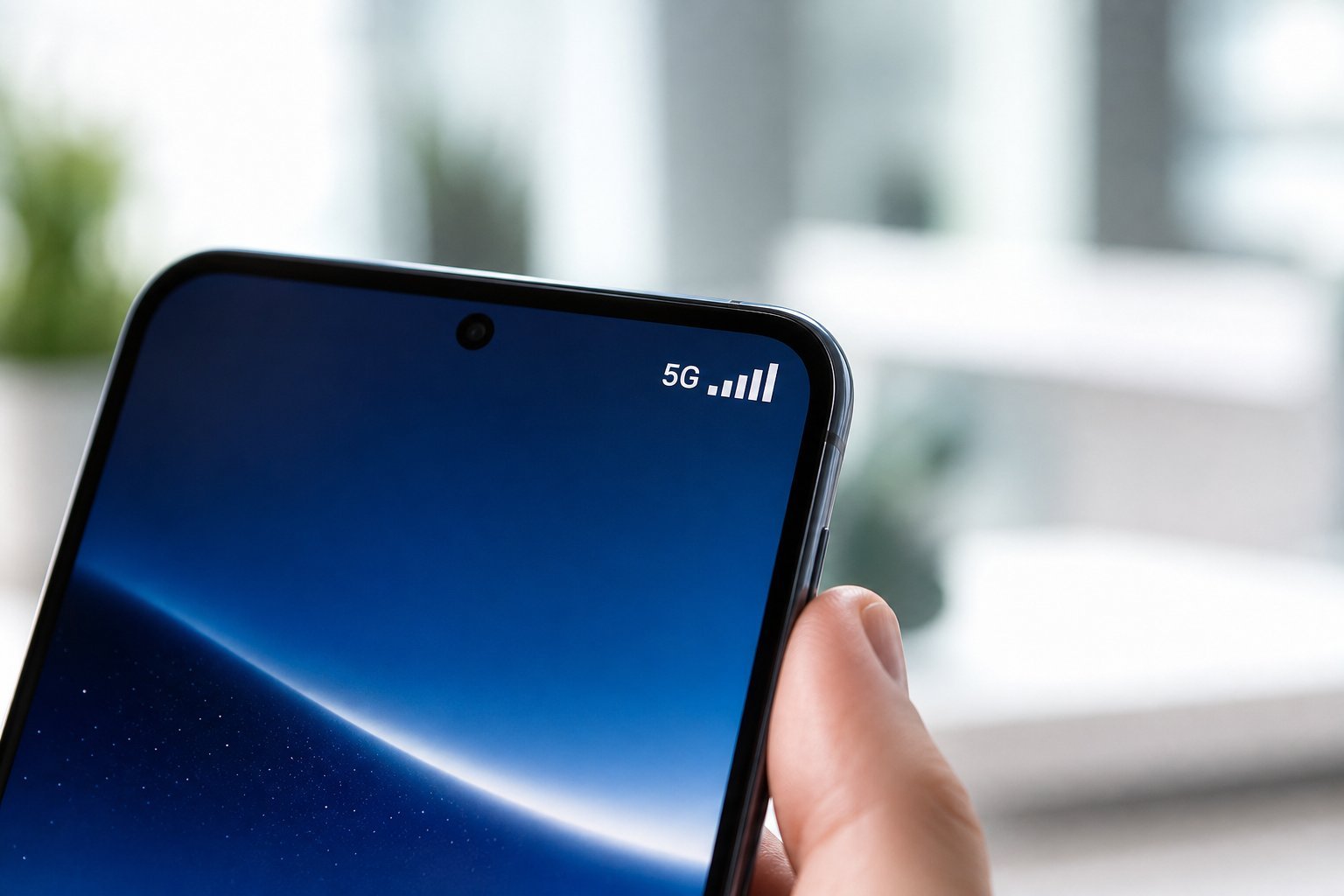
So 5G is simply the newest mobile network, designed to be faster, more responsive, and able to handle many more connected devices. It's the network technology your phone uses to connect to the internet over cellular service.
Is it really faster?
Yes — in theory, 5G is dramatically faster than 4G, and it has much lower latency (lag). But there's a catch worth understanding:
- Peak speeds: 5G's maximum speeds are far higher than 4G — enough for instant downloads and 8K streaming in ideal conditions.
- Real-world speeds: In practice, your speed depends on coverage, how close you are to a tower, how many people are using it, and which "flavor" of 5G you're on.
- Low latency: 5G's real differentiator is responsiveness — useful for gaming, video calls and self-driving tech.
The important nuance: 5G doesn't make your everyday apps feel dramatically different unless you're doing heavy things like large downloads or cloud gaming. Streaming video, browsing and messaging were already smooth on 4G.
Do you need a 5G phone?
This is the question most people are really asking. Here's the honest answer:
- 5G is becoming standard. Most new phones now include 5G, so you'll often get it whether you seek it out or not.
- It's not a reason to upgrade. If your current phone works well and you're happy with it, there's no need to upgrade just for 5G.
- When you do buy a new phone (for other reasons), a 5G model makes sense — it's future-proofing, and it's increasingly the default anyway.
- Coverage varies. 5G isn't everywhere yet. Check your area's coverage before assuming you'll get it.
💡 The practical takeaway
Don't buy a new phone just for 5G. But if you're buying a new phone anyway, a 5G model is a sensible, increasingly-standard choice. Check 5G coverage in your area to know what you'll actually get.
The reality vs. the hype
Let's cut through the marketing. Here's the reality of 5G for most people:
- The hype: "Revolutionary speed that changes everything."
- The reality: A genuine improvement, especially for downloads, latency and handling many devices — but for everyday browsing and streaming, you may barely notice a difference from good 4G.
- Where it shines: Crowded areas (stadiums, events), fast large downloads, low-lag gaming, and future technologies that need high speed and low latency.
The honest conclusion: 5G is a real upgrade to the network, and it's worth having in a new phone. But it's not a reason to replace your current phone, and it won't transform your daily phone use the way the commercials suggest.
📌 Bottom line
5G is the fifth-generation mobile network — faster and lower-lag than 4G, and able to handle more devices. It's a genuine improvement, but for everyday use the difference from good 4G is modest. Don't upgrade your phone just for 5G, but do choose a 5G model when you next buy one, and check your local coverage to know what you'll actually get. Understand the network generation, and the phone ads stop feeling like a mystery.