Smartwatches have gone from a novelty to a genuinely useful everyday accessory — tracking your health, showing notifications, and letting you leave your phone in your pocket. But the choices are overwhelming: Apple Watch vs. Android options, fitness bands vs. full smartwatches, and a wall of features you may never use.
This guide helps you decide whether you need a smartwatch, and how to choose the right one without overpaying.
What we'll cover
Do you need a smartwatch? Smartwatch vs fitness band How to choose Features that matterDo you need a smartwatch?
Let's be honest about whether a smartwatch is worth it for you. It's a convenience and a health tool, but it's not essential. Here's what it actually offers:
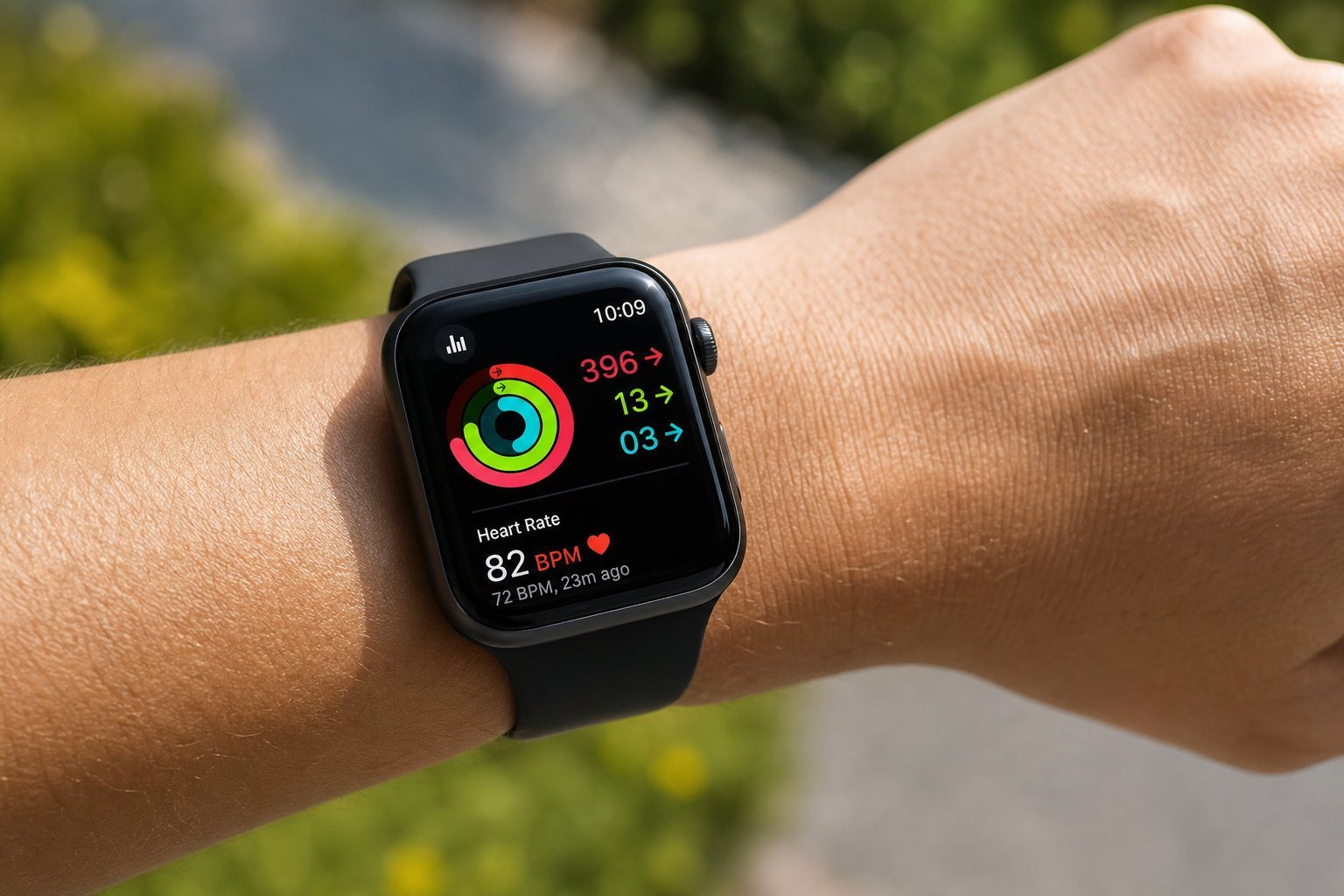
- Health and fitness tracking. Steps, heart rate, sleep, workouts — the main reason many people buy one.
- Notifications on your wrist. See calls, messages and alerts without pulling out your phone.
- Convenience. Quick answers, timers, payments, music control — small conveniences throughout the day.
- Motivation. Activity rings and streaks can genuinely encourage you to move more.
If you're into fitness or want to reduce phone-checking, a smartwatch is valuable. If you don't care about health tracking or wrist notifications, it may be an expense you don't need.
Smartwatch vs fitness band
There are two main categories, and knowing the difference helps you choose:
| Fitness band | Smartwatch | |
|---|---|---|
| Display | Small, basic | Large, full touchscreen |
| Features | Health & activity focus | Health + apps, calls, payments |
| Battery | Longer (often days) | Shorter (often 1–2 days) |
| Price | Cheaper | More expensive |
| Best for | Fitness tracking on a budget | Full smartwatch experience |
If you mainly want step and heart tracking, a fitness band is a cheaper, simpler choice with great battery life. If you want a full smartwatch experience — apps, calls, a big screen — go for a smartwatch.
How to choose
Here's the practical decision framework:
💡 The compatibility rule
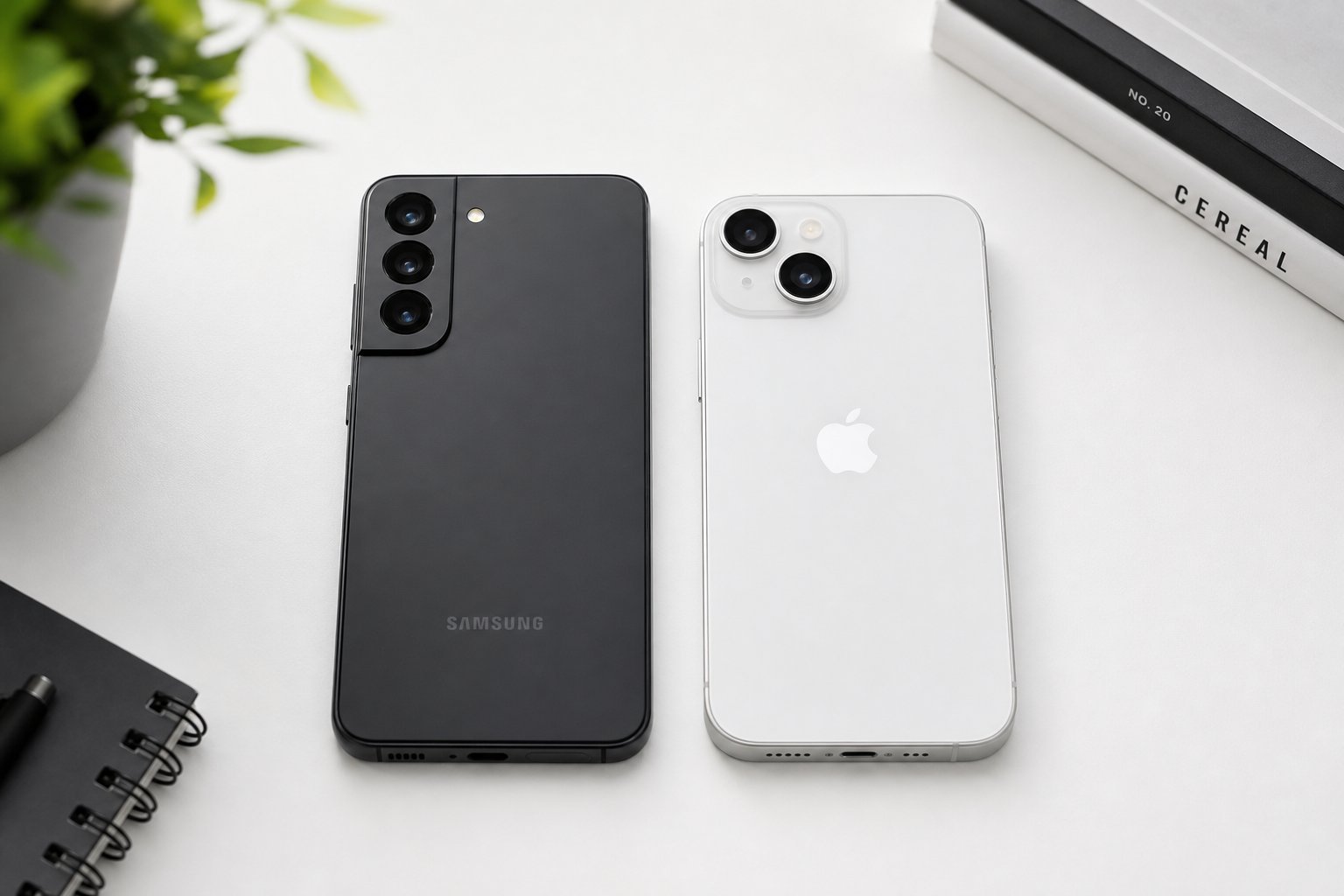
Match the watch to your phone. The Apple Watch is designed for iPhone users; Wear OS smartwatches pair best with Android. Buying a watch that doesn't match your phone means missing out on many features. That single check is the most important factor.
Features that matter
When comparing smartwatches, focus on these features:
- Health sensors. Heart rate is standard; GPS (for outdoor tracking), sleep tracking and blood-oxygen are common additions.
- Battery life. How often you'll charge it — a big practical factor.
- Water resistance. For swimming or showering, check the rating.
- Notifications and apps. How well it handles calls, messages and the apps you use.
- Build and comfort. You'll wear it all day, so it should be comfortable.
Don't get distracted by every sensor and spec. Focus on the features you'll actually use — heart rate, notifications, battery and comfort cover most people's needs.
✨ Buy for your lifestyle
A runner wants good GPS and activity tracking. A busy professional wants great notifications and battery. A casual user wants comfort and simplicity. Choose the watch that fits how you actually live, not the one with the most impressive spec sheet.
📌 Bottom line
A smartwatch offers health tracking, wrist notifications and convenience — worth it if you're into fitness or want to reduce phone-checking. Choose between a cheaper fitness band (long battery, activity focus) and a full smartwatch (big screen, apps, calls). Match it to your phone (Apple Watch for iPhone, Wear OS for Android), set a budget, and prioritize the features you'll actually use. Buy for your lifestyle, and a smartwatch becomes a genuinely useful daily companion.