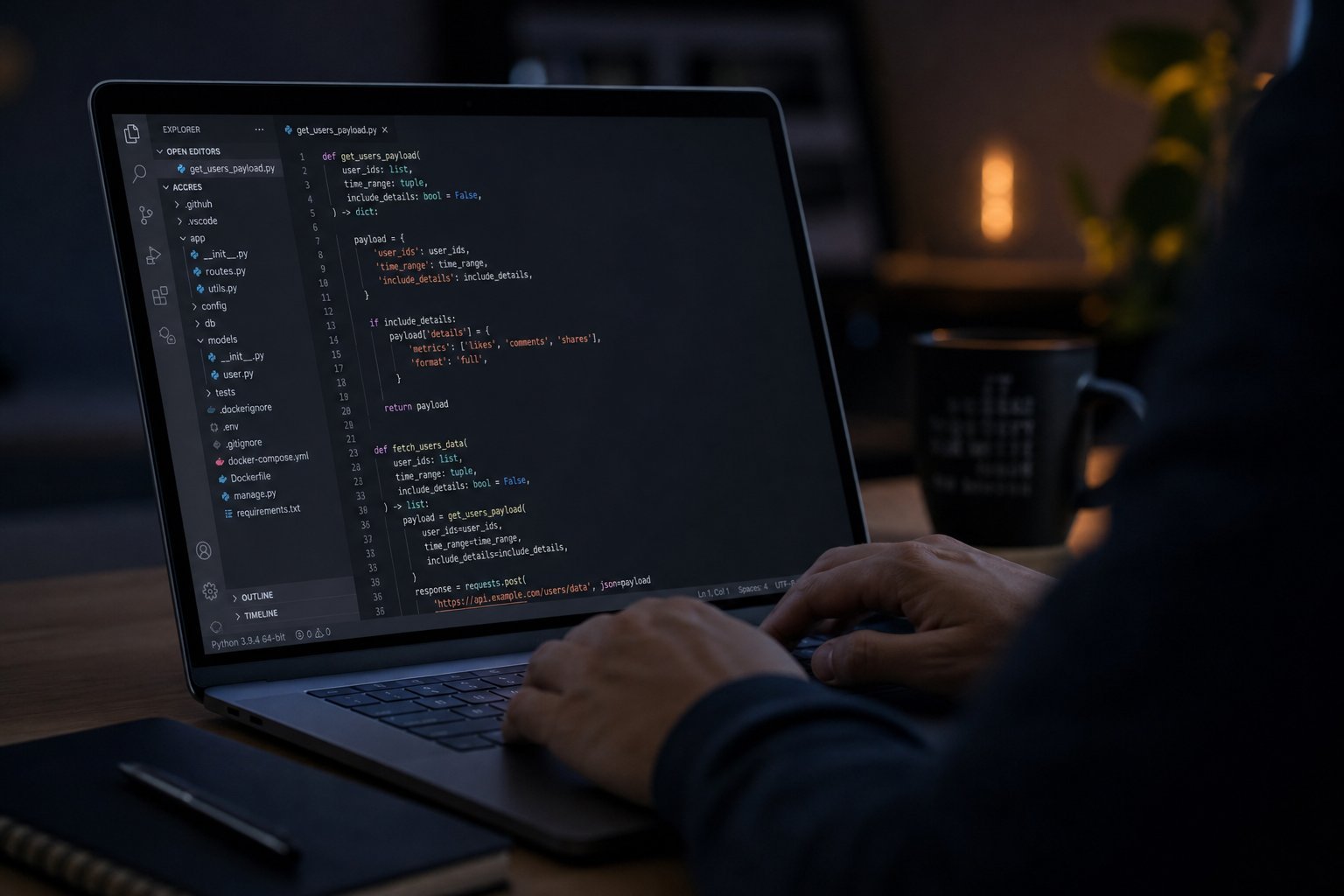
"Everyone should learn to code." You've heard it a thousand times. It sounds intimidating — a wall of jargon, math and mystery. But here's the reassuring truth: learning to code is more accessible than ever, and you don't need to be a math genius or a computer whiz to start.
This guide gives you a realistic, beginner-friendly roadmap for learning to code — what it really involves, how to start, and how to stay motivated without getting overwhelmed.
What we'll cover
Why learn to code? What coding actually is How to start Which language to choose How to stay motivatedWhy learn to code?
Before you start, know why you're doing it — it'll keep you going. Common reasons:
- Career. Coding skills open jobs in tech and are valuable in many other fields.
- Problem-solving. It teaches you to think logically and break problems down.
- Building things. You can create websites, apps, tools and automations.
- Understanding technology. It demystifies the tech you use every day.
Whatever your reason, it's a skill worth having. And unlike some skills, you can learn it free, at your own pace, starting today.
What coding actually is
Coding is simply giving instructions to a computer in a language it understands. You write instructions (code) that tell the computer what to do, and it follows them.
Here's what beginners often don't realize:
- It's not math. Coding is mostly logic and problem-solving, not complex math.
- It's about breaking problems down. You take a big task and split it into small, clear steps.
- Mistakes are normal. Debugging (finding and fixing errors) is a huge part of coding — everyone does it.
- You don't memorize everything. You learn concepts and look things up as needed.
Coding is a practical skill, learned by doing — not by memorizing a textbook.
How to start
Here's a realistic path to get started without overwhelm:
The key: learn by doing. The more you write code and build small things, the faster you learn. Theory only helps so much.
Which language to choose
Beginners often agonize over which language to learn. Here's the reassuring truth: the first language matters less than learning to think in code. Once you learn one, learning others is much easier.
Still, here's a helpful guide based on your goal:
| Goal | Good first language |
|---|---|
| Websites & web apps | HTML/CSS + JavaScript |
| General purpose, data | Python |
| Software & apps | Python or Java |
| Simple automation | Python |
Python is a fantastic first language for most people — it's beginner-friendly, readable, and widely used. If you're interested in web development, start with HTML/CSS and JavaScript. Pick one aligned with your goal and commit to it.
How to stay motivated
Learning to code has a learning curve, and motivation matters. Here's how to stay on track:
✨ Build something you want
The single best motivation hack is to build something you actually want to exist — a website for your hobby, a tool that automates a chore, a simple game. When you're building for yourself, the learning stops feeling like work.
📌 Bottom line
Coding is giving instructions to a computer — a logic skill, not a math one, learned by doing. Start with a free, structured resource, learn the basics, and build small projects as soon as you can. Choose a language based on your goal (Python is a great all-round start), and stay motivated by building things you care about and expecting some frustration. It's accessible, free to start, and one of the most valuable skills you can learn.