We've explained what 5G is and whether you need it. But you might be hearing about the future of networks too — 5G's successors, and what mobile connectivity is heading toward. Understanding the direction of networks helps you make informed choices now and know what's coming.
This guide looks at 5G and the future of mobile networks in plain terms.
Where 5G is now
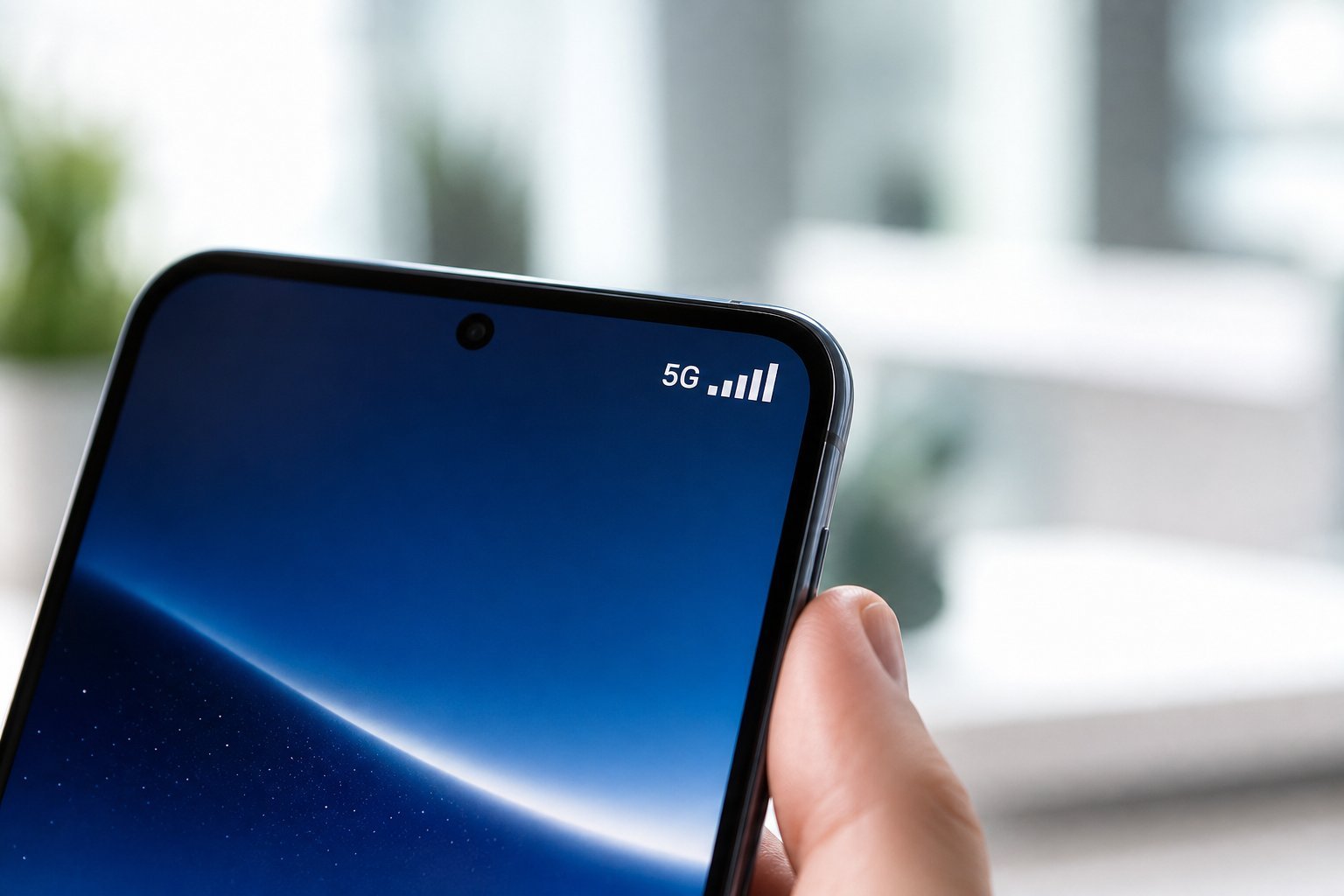
5G is the current generation of mobile networks (see our guide). Here's where it stands:
5G is the current standard — widely available and a real improvement, though not transformative for everyday use. Coverage still varies by region.
The future of networks
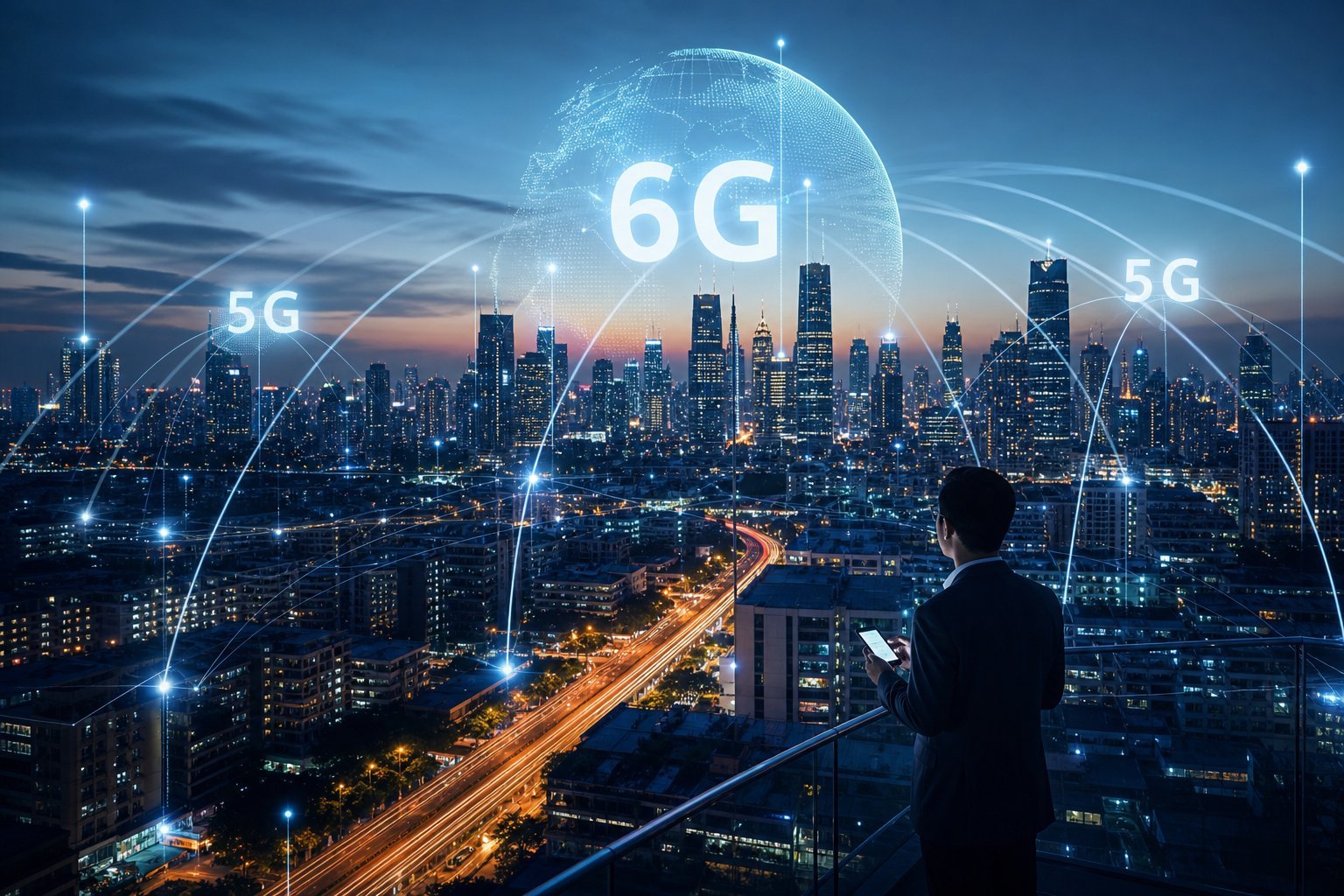
Mobile networks keep evolving. Here's what's on the horizon:
The future of networks is more coverage, advanced 5G, eventual 6G, and more connected devices. It's a gradual evolution, not a sudden leap.
What it means for you
Here's what the network evolution means for your choices:
💡 The honest take
5G is the current standard and the future will bring more coverage and eventually 6G — but it's a gradual evolution. You don't need to rush or constantly upgrade. Buy a 5G-capable phone when you next need one (it's standard anyway), check coverage in your area, and don't pay for future features you can't use yet. The network will keep improving on its own.
✨ Plan for the present, not the hype
When choosing a phone or plan, plan for what you can use now — not future promises. A 5G-capable phone and a plan with good coverage and data are what matter today. The network evolving later doesn't require you to change anything now. Buy for the present; the future takes care of itself.
📌 Bottom line
5G is the current mobile network standard — widely available and a real improvement, though not transformative for everyday use. The future brings more coverage, advanced 5G, eventual 6G and more connected devices, but it's a gradual evolution. You don't need to rush or constantly upgrade. Buy a 5G-capable phone when you need one, check your coverage, and don't pay for future features you can't use yet. Plan for the present; the network improves on its own.