When you look at a phone's camera specs, the numbers fly at you: 50 megapixels, f/1.8, 3x optical zoom, sensor size, OIS. It's easy to think "more megapixels = better camera." But that's a myth. Understanding what these specs actually mean helps you judge a phone's camera — and take better photos.
This guide explains the camera specs that matter, busts the megapixel myth, and helps you understand what makes a good phone camera.
What we'll cover
The megapixel myth Sensor size & quality Aperture & low light Zoom: optical vs digital How to judge a cameraThe megapixel myth
The most common camera myth is that more megapixels means a better camera. It doesn't. Megapixels measure resolution — how large an image can be — not image quality.
💡 The myth, busted
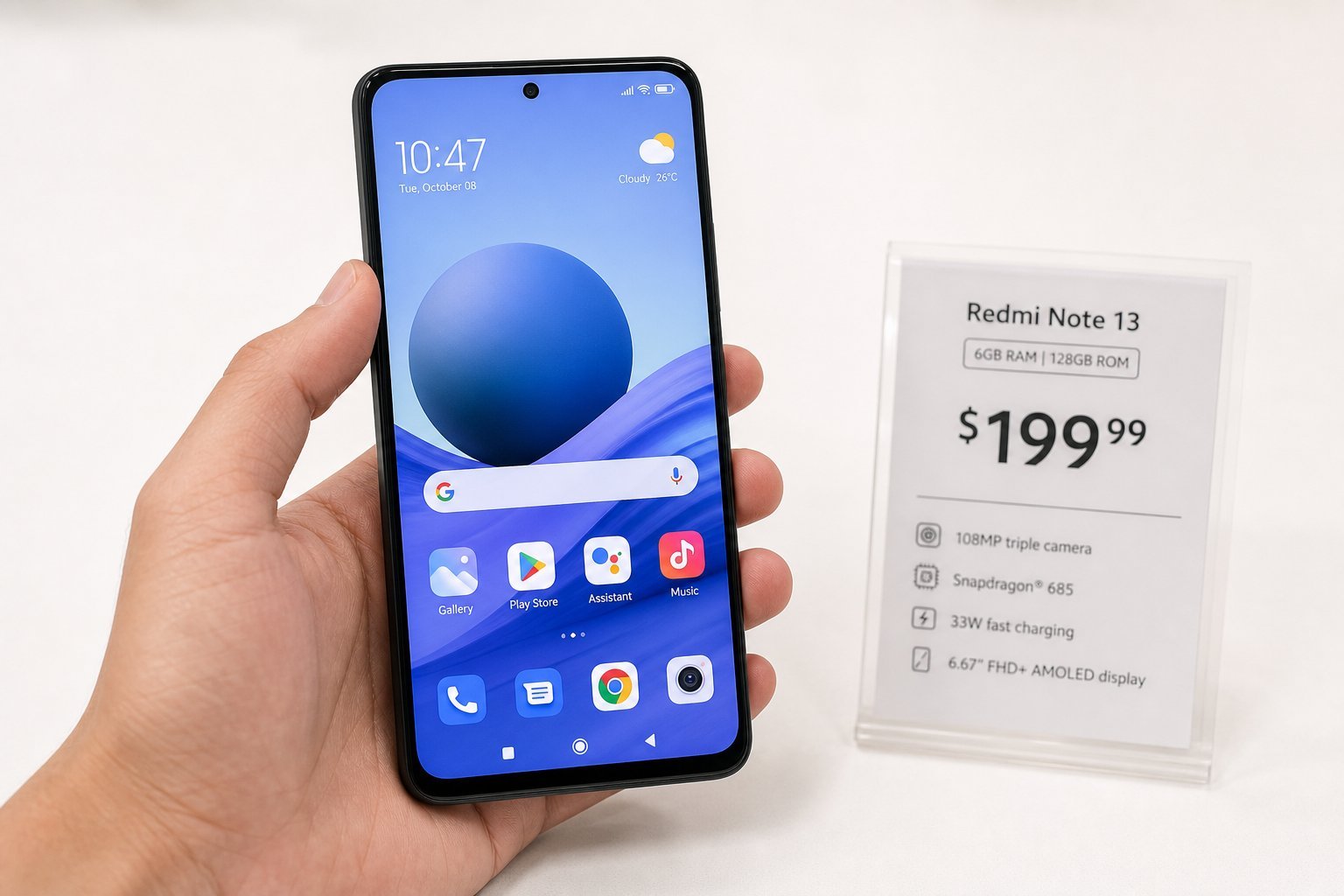
More megapixels does not mean a better camera. It means larger images. Real camera quality comes from the sensor, the processing software and the lens. Don't judge a phone by its megapixel count — it's one of the least meaningful camera specs.
Sensor size & quality
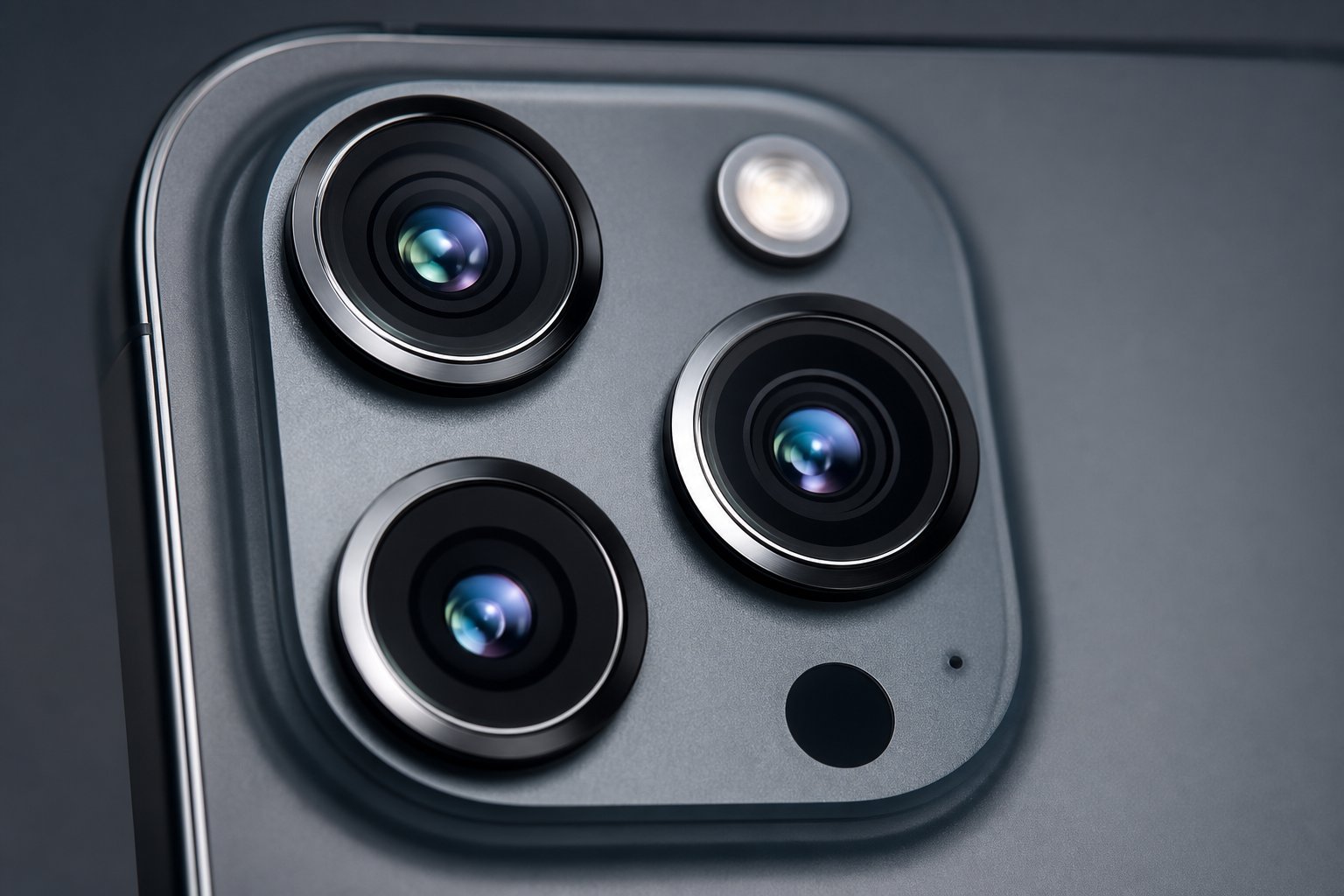
The sensor is the camera's heart — the part that captures light. Its size and quality matter far more than megapixels:
- A larger sensor captures more light, which means better photos in low light and more detail.
- Sensor quality affects noise (grain) and dynamic range.
- Software processing — how the phone processes the image — is a huge factor in quality. Modern phones use clever computational photography (see our camera tips guide).
Sensor and software quality are the real determinants of camera quality — not the megapixel count. This is why a well-engineered 12-megapixel camera can beat a poorly-designed 108-megapixel one.
Aperture & low light
Aperture is the lens opening that lets light in, shown as f-numbers (like f/1.8):
- Lower f-number = larger opening = more light. Better for low-light photos.
- f/1.8 or lower is good for low light; higher numbers let in less light.
- Low-light performance is where phone cameras differ most — a big sensor and wide aperture help.
Aperture matters most for low-light photography. If you take a lot of evening or indoor shots, a camera with a wider aperture (lower f-number) and good low-light performance is worth prioritizing.
Zoom: optical vs digital
Zoom is another area where specs mislead:
⚠️ Don't be fooled by digital zoom
Advertised zoom numbers often combine optical and digital zoom. Only the optical zoom preserves quality. A "100x zoom" figure is mostly digital — heavily zoomed images lose detail. For real zoom quality, look at the optical zoom.
How to judge a camera
Here's how to actually judge a phone's camera, beyond the spec sheet:
✨ Look at real photos
The best way to judge a phone camera is to look at real sample photos — especially in low light. Spec sheets are misleading. Reviews with photo samples show how the camera actually performs, which is what matters. Judge the results, not the numbers.
📌 Bottom line
Megapixels don't determine camera quality — sensor size, software processing and lens do. A larger sensor captures more light for better low-light photos; aperture (lower f-number) helps too. Optical zoom preserves quality; digital zoom is just cropping. To judge a phone's camera, look at real sample photos, especially in low light, and check video quality. Ignore the megapixel marketing and judge the actual results.