Esports used to be a niche curiosity — people playing video games competitively. Today it's a multi-million-dollar industry with professional teams, huge tournaments and millions of fans. Whether you're curious about watching, or thinking about getting into competitive gaming yourself, there's a lot to understand.
This guide explains what esports is, how it works, and what it takes to get involved — either as a fan or as a player.
What we'll cover
What esports is The big esports games Getting involved as a fan Getting started as a playerWhat esports is
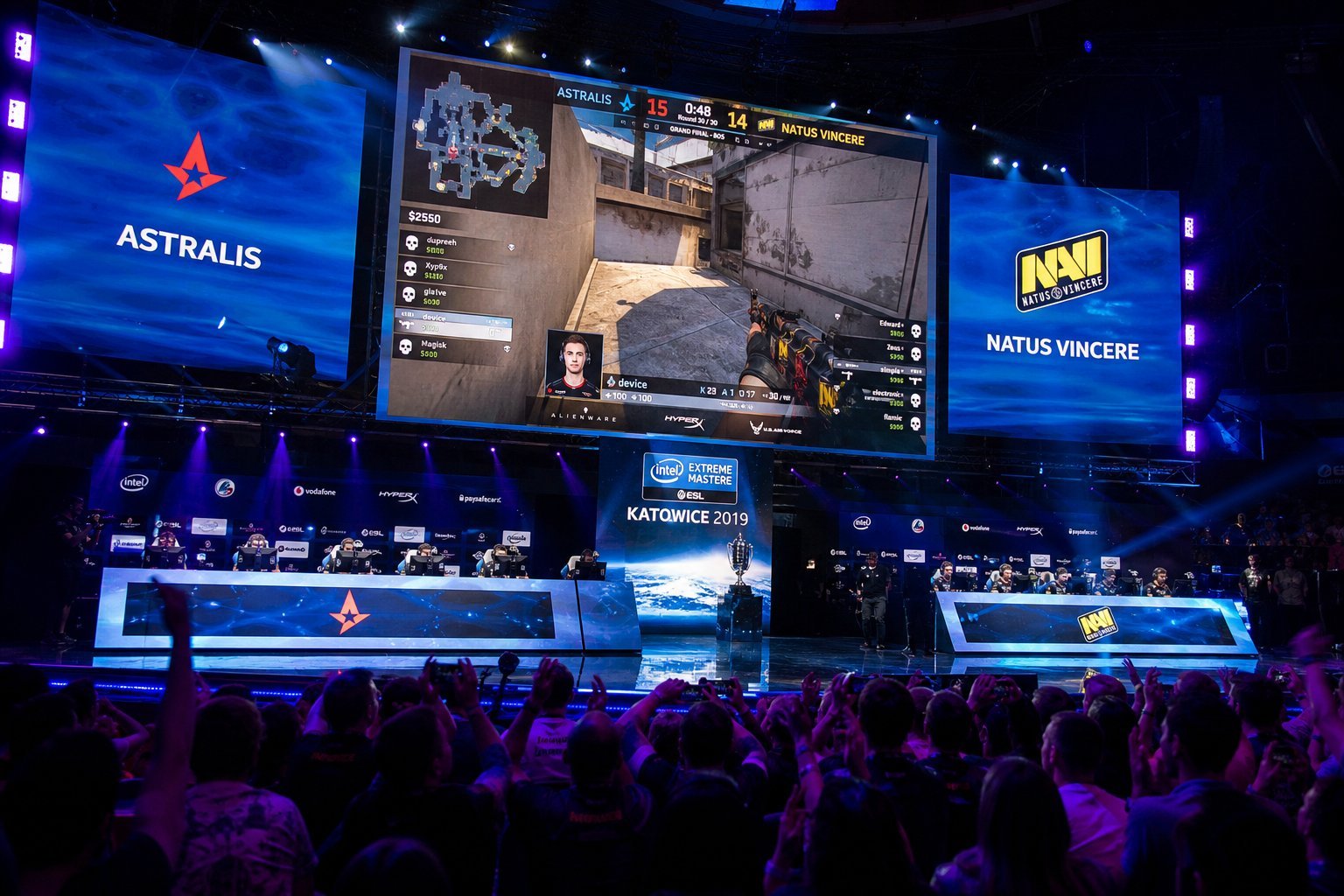
Esports is competitive video gaming played at a professional level. Just like traditional sports, players and teams compete in organized leagues and tournaments, often in front of live audiences and streaming viewers (see our streaming guide).
Key things to know:
- It's a real industry. Professional teams have sponsors, salaries, coaches and training facilities.
- Tournaments offer big prizes. Major events have prize pools in the millions.
- It's watched by millions. Esports events fill arenas and draw huge online audiences.
- It spans many games. Different games have their own competitive scenes.
Esports has grown into a legitimate competitive discipline — one that rewards skill, practice and teamwork, just like traditional sports.
The big esports games
Different games have their own professional scenes. Some of the biggest include:
- Multiplayer online battle arenas (MOBAs) — games like League of Legends and Dota 2, with massive competitive scenes.
- First-person shooters — games like Counter-Strike and Valorant, popular for fast, tactical play.
- Battle royale — games like Fortnite and PUBG, with huge tournaments.
- Sports and racing games — FIFA, Rocket League, and others with competitive scenes.
- Fighting games — with dedicated communities and tournaments.
Each game has its own rules, teams and tournaments. If you're new, pick a game you enjoy watching or playing and explore its scene.
Getting involved as a fan
You don't have to be a player to enjoy esports. Here's how to get into it as a fan:
Esports is easy to get into as a spectator — it's free to watch, and there are communities and events for almost every game. It's a fun, accessible hobby.
Getting started as a player
If you want to compete yourself, here's a realistic path — and an honest dose of perspective:
💡 The honest perspective
Becoming a professional esports player is extremely competitive and rare — the vast majority of players compete for fun, not as a career. That's completely fine. Enjoy the game, improve your skills, and treat any pro aspirations as a long shot, not a plan. The enjoyment and community are the real rewards.
✨ Play for the love of the game
The best reason to get into competitive gaming is that you enjoy the game. Improvement, community and fun come first; professional success, if it ever comes, is a bonus. Compete because it's exciting, not because you're counting on it becoming a career.
📌 Bottom line
Esports is competitive video gaming at a professional level — a real industry with teams, tournaments and huge audiences. As a fan, you can start by watching major tournaments streamed free on Twitch or YouTube and learning a game you enjoy. As a player, pick one game, focus on improving, join the community and compete in low-stakes events — but keep realistic expectations about going pro. Play for the love of the game, and you'll enjoy esports whether you're spectating or competing.