Identity theft sounds like something that happens to other people — until it happens to you. Someone gets your personal information, opens accounts in your name, or drains your finances. The stress and damage are real, and recovering takes time. But here's the good news: most identity theft is preventable with a few habits.
This guide explains what identity theft is, the practical habits that protect you, and what to do if you suspect you've been targeted.
What we'll cover
What identity theft is Habits that prevent it Warning signs to watch for What to do if it happensWhat identity theft is
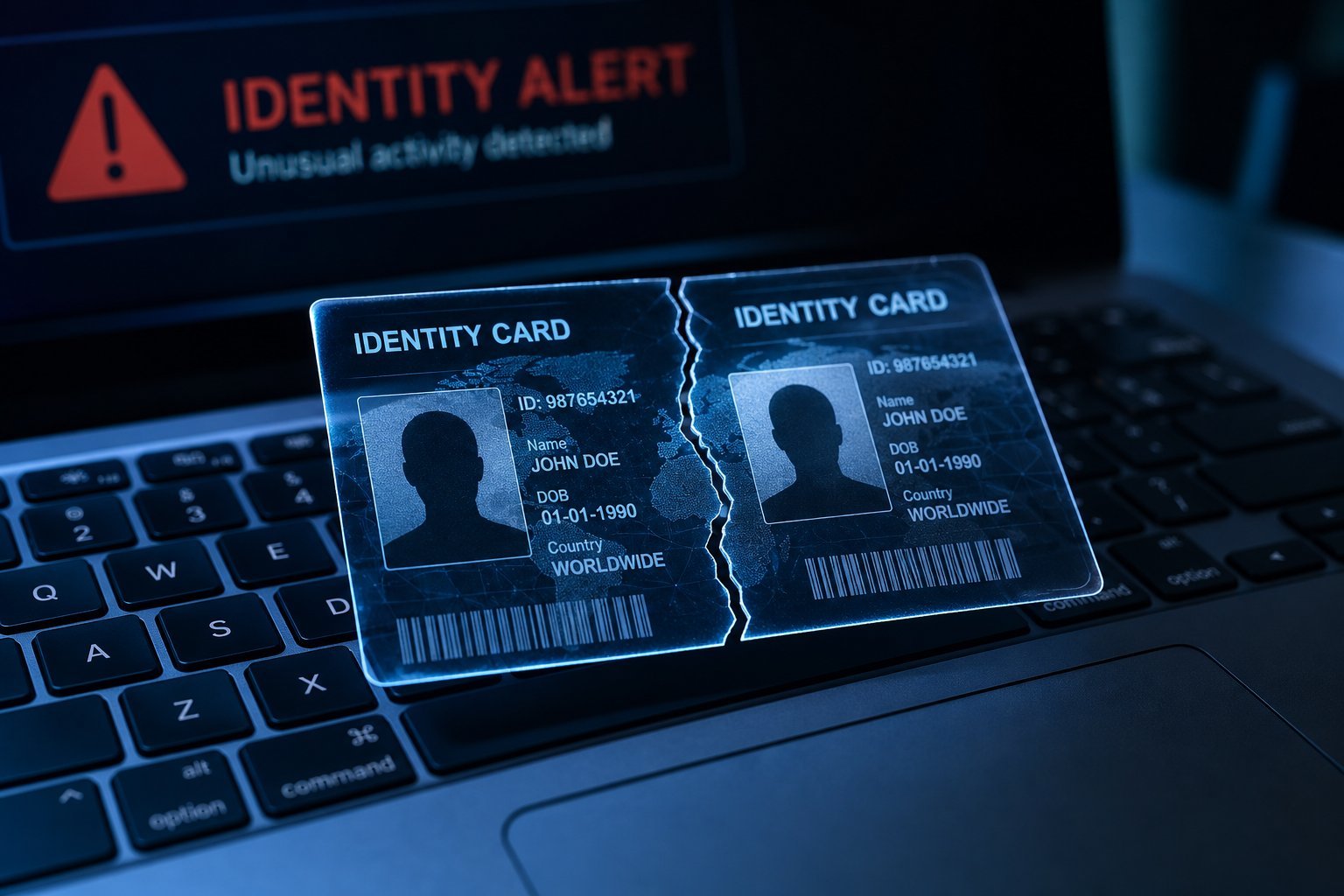
Identity theft happens when someone uses your personal information — your name, Social Security/national ID number, date of birth, bank details — without permission, usually to commit fraud. Common forms include:
- Opening accounts (credit cards, loans) in your name.
- Financial fraud — draining your accounts or making unauthorized purchases.
- Tax or benefits fraud — filing returns or claims in your name.
- Medical identity theft — using your insurance details for care.
- Account takeover — hacking into your email, banking or social accounts.
The consequences are serious: financial loss, damaged credit, and a lengthy process to clear your name. That's why prevention and early detection matter so much.
Habits that prevent it
These habits dramatically reduce your risk of identity theft:
These habits cover the most common ways identity theft happens. Most identity theft isn't a sophisticated hack — it's a preventable mistake like a reused password, a phishing click, or oversharing personal info.
Warning signs to watch for
Catching identity theft early limits the damage. Watch for these signs:
- Unfamiliar charges or transactions on your accounts.
- Accounts you didn't open or bills for things you didn't buy.
- Calls or notices about debts or accounts you don't recognize.
- Missing mail (someone may be redirecting it) or unexpected mail from creditors.
- Being denied credit or getting declined when you shouldn't be.
- Login issues — trouble getting into accounts, or password reset emails you didn't request.
If you notice any of these, act quickly — early detection is key to limiting harm.
What to do if it happens
If you suspect identity theft, act fast and methodically:
⚠️ Act quickly
Time matters with identity theft. Freeze affected accounts, change passwords, and report it immediately. The sooner you act, the more you limit the damage and the easier recovery is. Keep careful records of everything you do.
📌 Bottom line
Identity theft uses your stolen personal info to commit fraud — and most of it is preventable. Use unique passwords and two-factor authentication, be careful what you share online, protect your documents, and beware of phishing. Watch for warning signs like unfamiliar charges, unrecognized accounts or login problems. If it happens, act fast: freeze accounts, change passwords, report it, and keep records. A few good habits make you far less likely to become a victim.