Most financial fraud isn't stopped by dramatic security — it's caught by early detection. The sooner you notice something wrong, the less damage it does. That's why monitoring your banking and credit is one of the most valuable financial habits you can build. It's simple, mostly free, and takes a few minutes.
This guide covers how to monitor your banking and credit — catching problems early and protecting yourself.
Monitor your banking
Regularly checking your bank accounts catches fraudulent activity early:
Checking your bank regularly is the foundation of early fraud detection. If you see something unfamiliar, act quickly (see our guide for what to do).
Monitor your credit
Your credit report reveals accounts opened in your name — a key sign of identity theft (see our identity theft guide):
Monitoring your credit report catches identity theft early. Unfamiliar accounts or inquiries are warning signs to investigate immediately.
Set up alerts
Alerts do the monitoring for you:
💡 The alert advantage
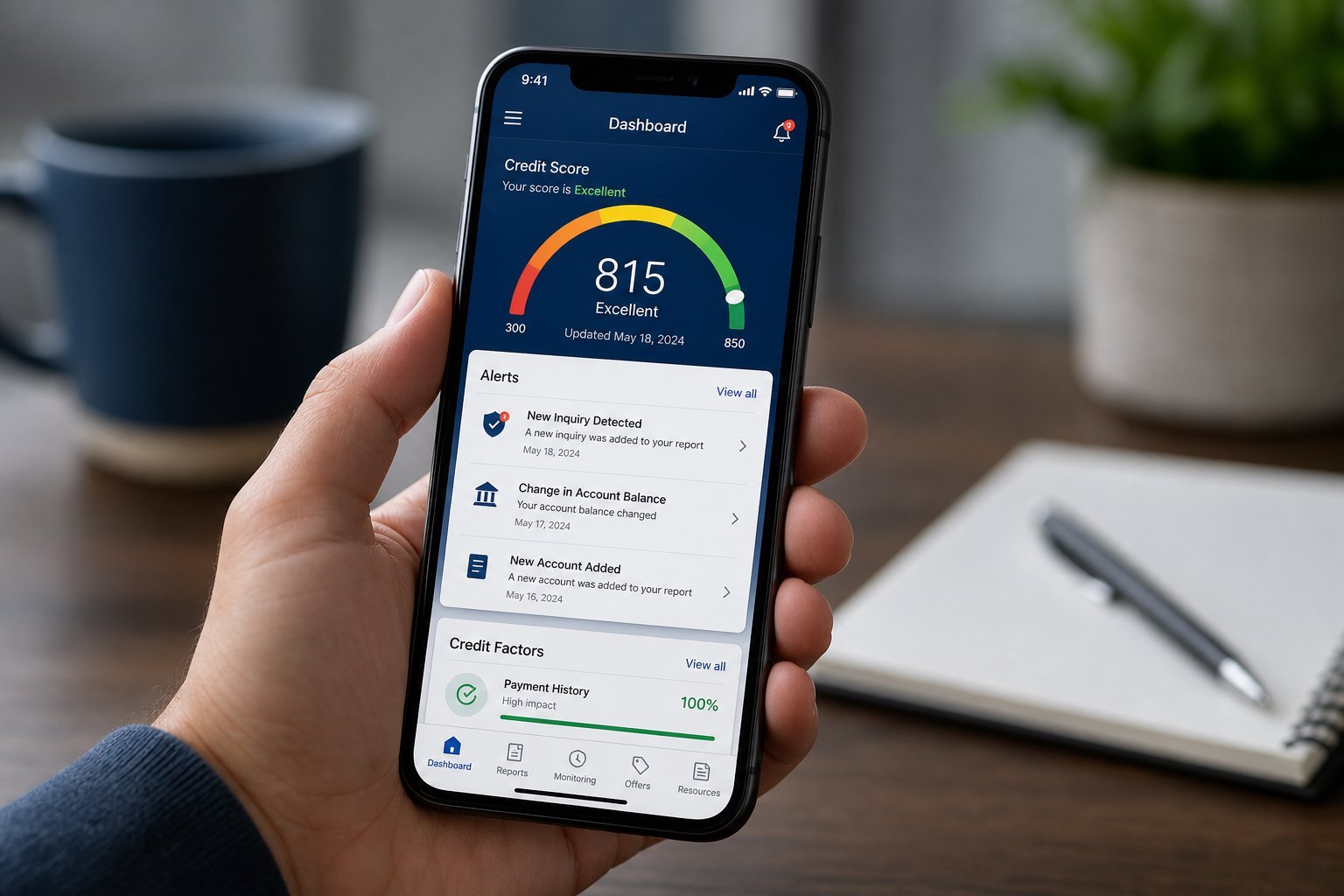
Alerts do the monitoring for you — you get notified of transactions and credit activity without checking manually. Enable transaction alerts and any free credit monitoring. When an alert comes in, investigate. Alerts turn monitoring from a habit you might forget into something automatic.
Review regularly
Make monitoring a regular routine:
✨ The weekly money check
Set aside a few minutes each week to review your bank transactions — a "money check." It catches problems early and keeps you aware of your spending. Combined with alerts and periodic credit checks, it's a simple system that protects you from fraud and identity theft.
📌 Bottom line
Monitoring your banking and credit is one of the best ways to catch fraud and identity theft early. Check your bank transactions regularly and know your baseline. Review your credit report for unfamiliar accounts or inquiries. Enable transaction and credit alerts so monitoring happens automatically. Make it a routine — a weekly money check, monthly review and periodic credit check. Early detection limits damage, and it's simple, mostly free and takes minutes.