๐Ÿ HighTechBee โ€” practical tech help, in plain English.
โœ๏ธ Write for us ๐Ÿ“ฉ Contact โ˜€๏ธ โ— Updated daily

Wi-Fi Won't Connect, Slow or Dropping? Fix Common Issues

DO
David OkaforNetworking & web writer ยท HighTechBee Editorial
Wi-Fi Won't Connect, Slow or Dropping? Fix Common Issues

Your Wi-Fi drops, is slow in one room, or won't connect to your devices at all. Wi-Fi problems are among the most frustrating tech issues โ€” and among the most fixable. Most Wi-Fi problems come from a few common causes that you can address yourself.

This guide covers the most common Wi-Fi issues and how to fix them โ€” a practical troubleshooting playbook.

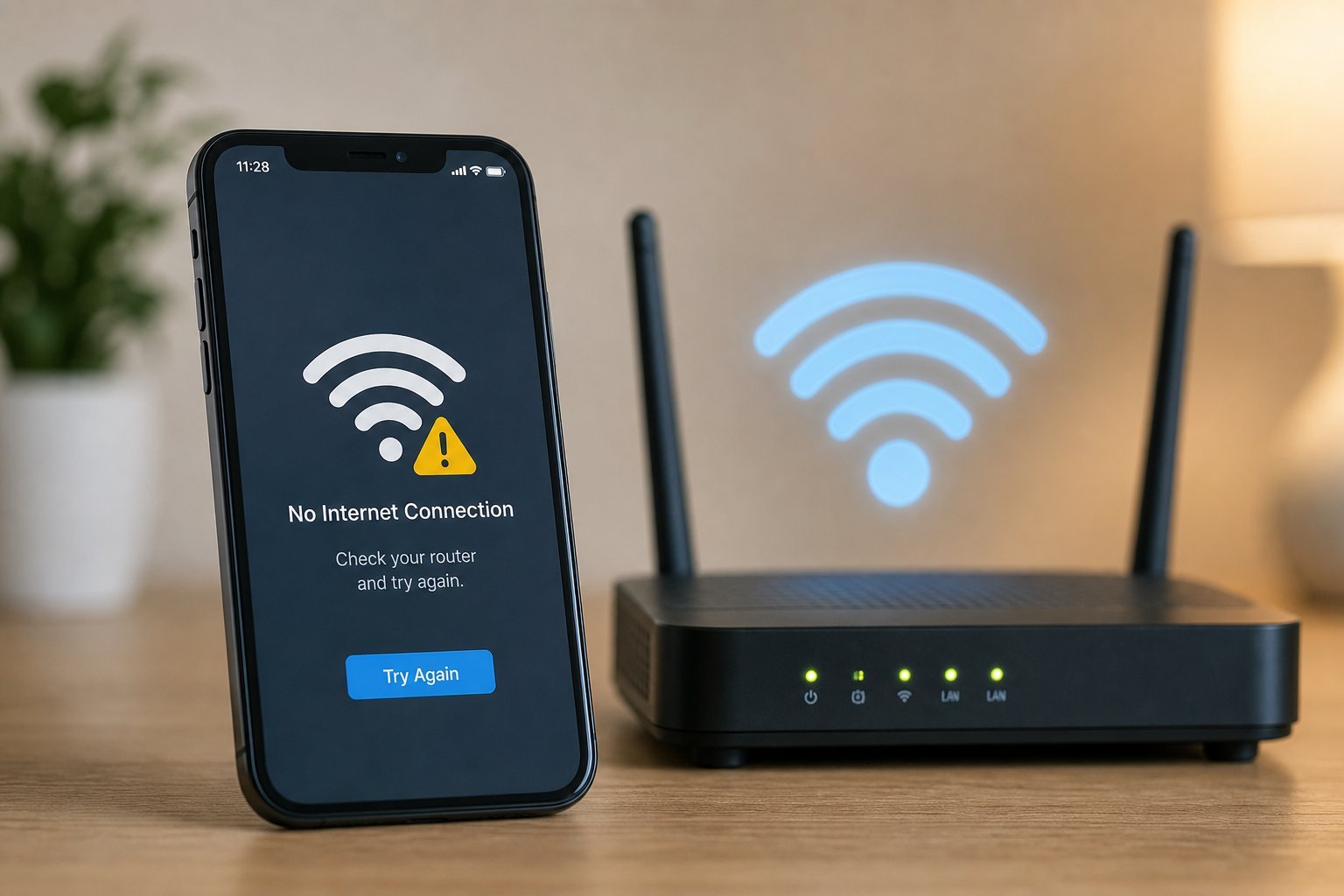
Wi-Fi won't connect

If a device won't connect to Wi-Fi, try these in order:

  • Restart the device. A quick restart clears many connection glitches (see our troubleshooting guide).
  • Forget and reconnect. On the device, "forget" the network, then re-enter the password and connect again.
  • Check the password. Make sure you're entering the right one.
  • Restart the router. A proper power cycle (unplug, wait 60 seconds, replug) clears many issues (see our internet guide).
  • Check the connection. Make sure the device is within range and not in airplane mode.
  • These cover the most common "won't connect" causes. Usually a device restart or forget-and-reconnect fixes it.

    Wi-Fi is slow

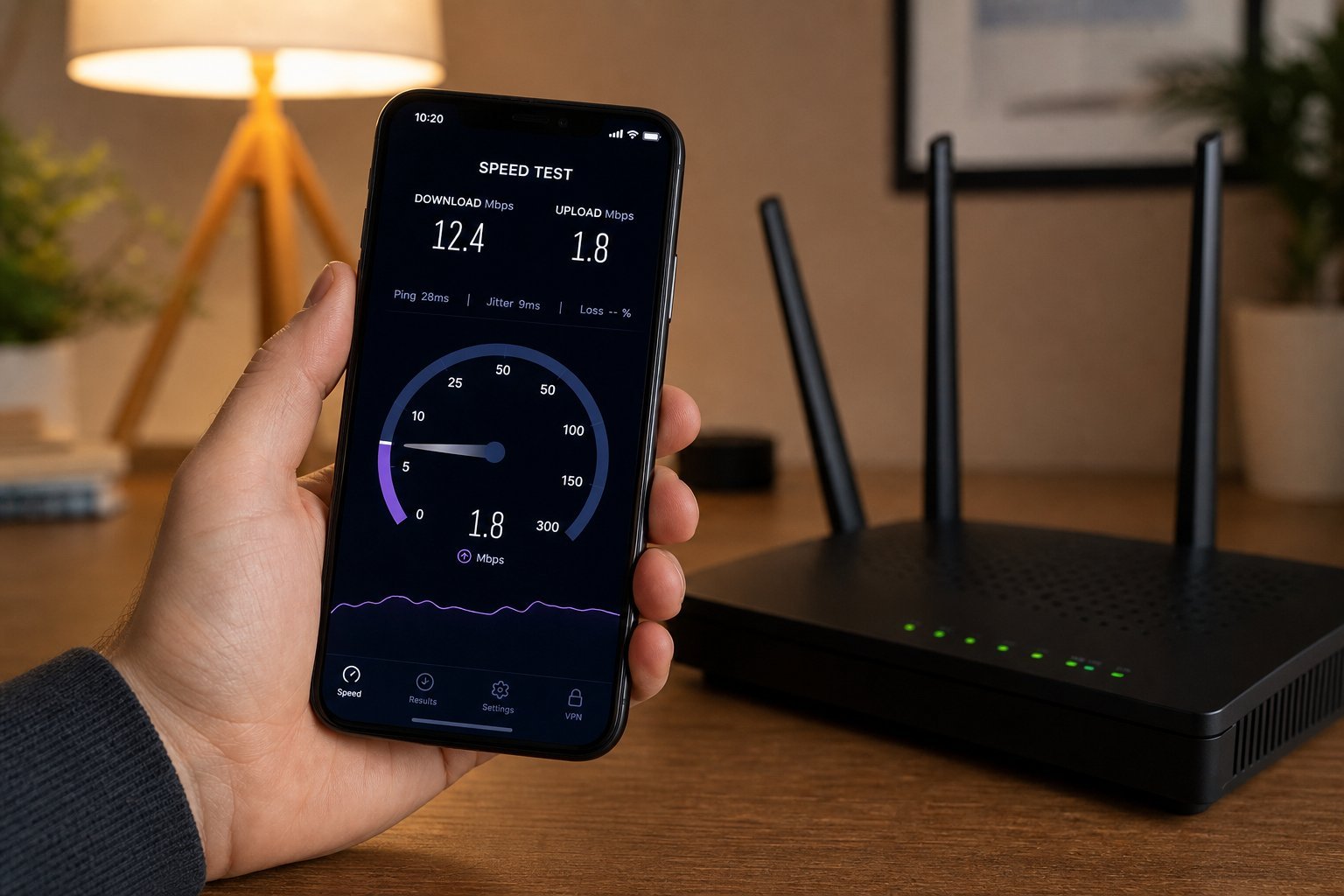
    Slow Wi-Fi usually comes from congestion or placement. Here's what to do:

  • Check your speed to see if it's a Wi-Fi or internet problem (see our speed guide).
  • Move closer to the router or remove obstacles (see our optimization guide).
  • Use the 5 GHz band for speed, or switch channels if congested (see our internet guide).
  • Reduce connected devices. Too many devices slow things down (see our network guide).
  • Restart the router. A clean restart often restores speed.
  • Slow Wi-Fi is usually placement, congestion or an old router. The steps above address the most common causes.

    Wi-Fi keeps dropping

    Frequent disconnections are frustrating. Common causes and fixes:

  • Weak signal. If you're far from the router, the signal drops. Move closer or improve coverage (see our router guide).
  • Interference. Microwaves, cordless phones and walls can interfere. Move the router away from them.
  • Outdated router firmware. Update it (see our updates guide).
  • Too many devices. A crowded network can cause drops. Reduce or prioritize devices (see our optimization guide).
  • Old router. An aging router may struggle โ€” consider an upgrade.
  • Dropping Wi-Fi is usually signal strength, interference or an overloaded/old router. Address those and the drops usually stop.

    Dead zones

    Areas with no or weak Wi-Fi signal are called dead zones. Here's how to fix them:

  • Reposition the router. A more central, elevated position helps (see our placement guide).
  • Add a mesh system. For large or multi-story homes, mesh nodes spread coverage everywhere (see our router guide).
  • Use a range extender. A cheaper option to boost signal to a specific area.
  • Go wired. For a device in a dead zone, use an ethernet cable or powerline adapter (see our ethernet guide).
  • ๐Ÿ’ก Mesh vs extender

    For dead zones, a mesh system is the modern, reliable solution โ€” it creates one seamless network across your home. A range extender is cheaper but can halve your speed and create a separate network. For large homes, mesh is worth it; for one weak spot, an extender or wired option may suffice.

    โœจ Test after each fix

    Troubleshoot one change at a time and test after each. Change the router's position, test; switch channels, test; restart, test. This tells you what actually solved the problem, so you don't undo a working fix.

    ๐Ÿ“Œ Bottom line

    Most Wi-Fi problems are fixable. For "won't connect," restart the device, forget-and-reconnect, and restart the router. For slow Wi-Fi, improve placement, use 5 GHz, and reduce congestion. For dropping Wi-Fi, address weak signal, interference and an old/overloaded router. For dead zones, reposition the router, add a mesh system, or use an extender/wired option. Test after each fix. With these steps, most Wi-Fi problems resolve without calling support.

    #wifi#troubleshooting#connect#slow#dead-zone
    DO

    David Okafor

    Networking & web writer

    Part of the HighTechBee editorial team. David Okafor writes practical, beginner-friendly tech guides that solve real everyday problems.